
AI in Education: Embracing the Change
Introduction: The Classroom Is Changing
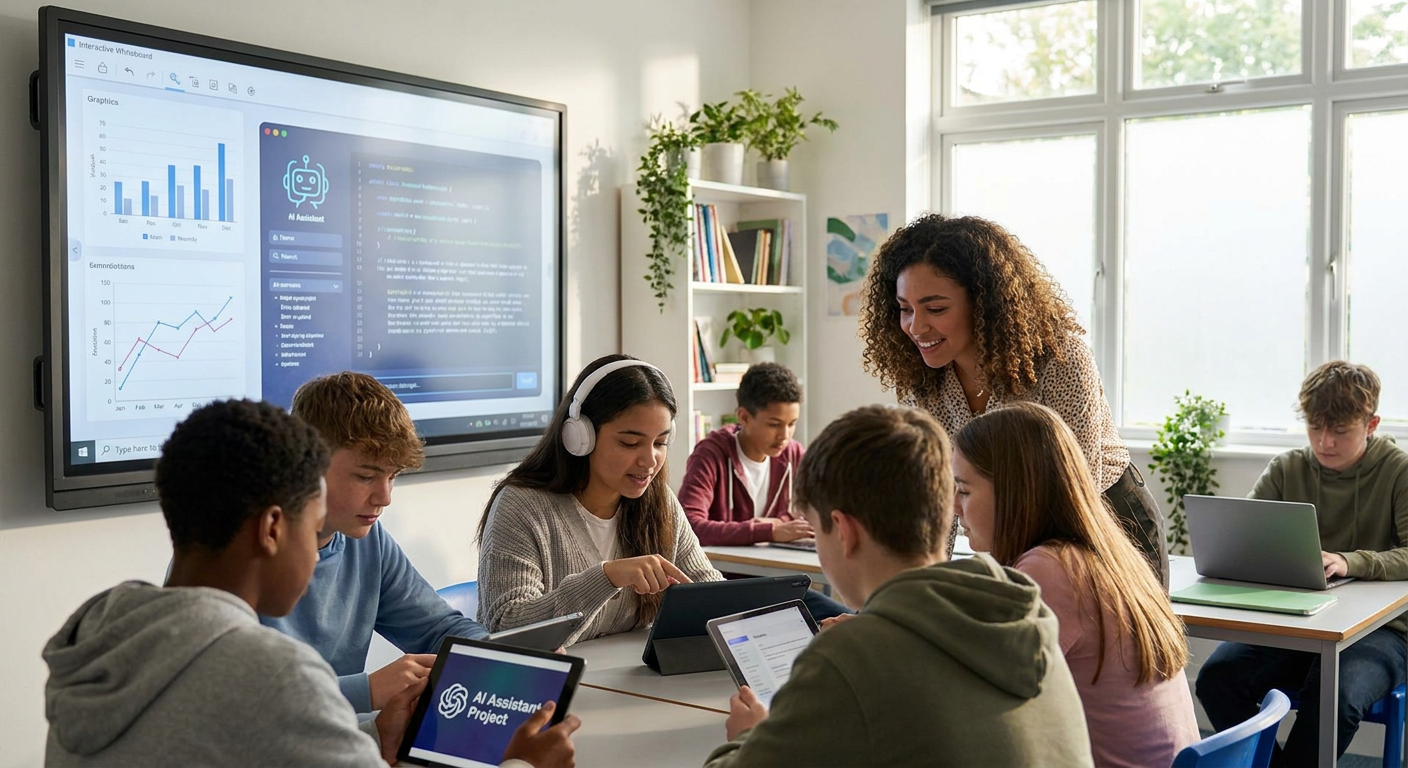
Imagine strolling into a classroom today—you'd see students using AI tools for homework help, revision, or research. AI isn't a distant future; it's very much here. Yet, as educators and parents grapple with questions like, 'Is AI helping or hurting learning?' or 'Will AI replace teachers?' it’s clear that while AI is reshaping education, the most effective learning still combines technology with expert guidance, critical thinking, and human support.
So, what does AI in education truly look like today?
What AI in Education Looks Like Today
Beyond Chatbots: The New Learning Toolkit
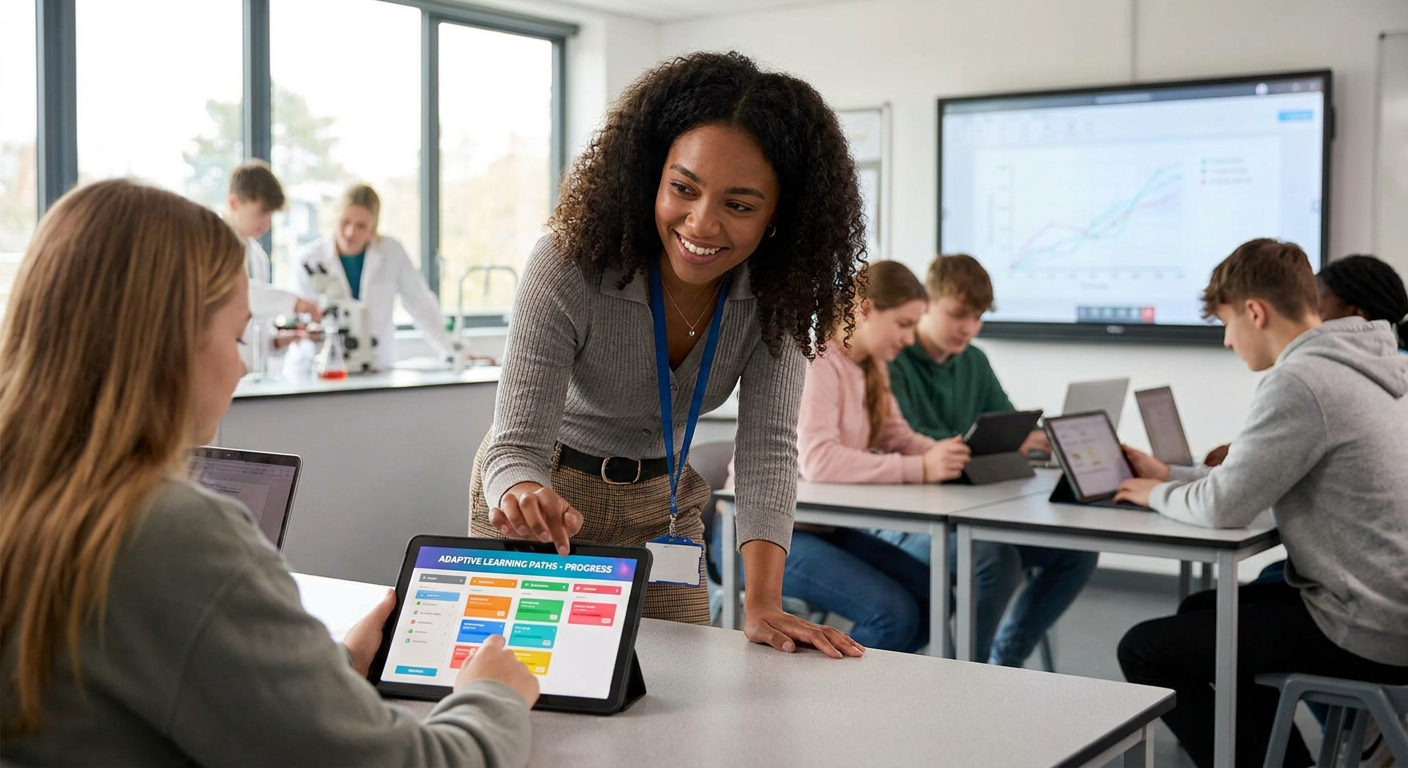
Today, AI in education is far more than chatbots answering student inquiries. Personalised learning platforms tailor content to students' unique needs and learning paces. AI-powered tutoring provides instant feedback, helping students understand concepts in real time. Tools like adaptive assessments adjust their difficulty based on student performance, ensuring challenges are just right. Not to mention, AI aids study planning and offers revision support, which can be a game-changer for diverse learners needing accessibility options.
"AI isn't replacing teachers—it's redefining the landscape of education."
Why Students Are Embracing AI
Students often enjoy the instant answers and explanations AI provides. It's like having a 24/7 tutor! They appreciate the flexibility to learn at their own pace and the support outside school hours. Moreover, with practice and feedback at their fingertips, students build confidence in ways that supplement classroom learning.
What the Research Says
The Potential Benefits
The benefits of AI in education are increasingly evident. AI allows for improved personalisation, faster feedback cycles, and heightened student engagement. It provides additional support for struggling learners and creates opportunities for independent learning.
The Challenges and Concerns
Of course, there are hurdles. Overreliance on AI-generated answers can be a crutch, potentially hindering critical thinking development. The accuracy of AI can sometimes be questionable, with risks around misinformation. Ethical considerations about privacy and data use cannot be ignored, and the digital divide highlights unequal access to these advanced tools.
AI Isn't Replacing Teachers—It's Changing Their Role
The Human Skills That Matter More Than Ever
Teachers still bring critical skills to the table—ones that AI can't replicate. Critical thinking, creativity, communication, collaboration, and emotional intelligence are irreplaceable.
Why Great Educators Remain Essential
Educators provide the guidance necessary for deeper understanding, personalise encouragement, identify misconceptions, build student confidence, and create meaningful learning experiences. Tools like LoftTalk and LoftTick can enhance these human connections by providing feedback and resources in new ways.
How Students Can Use AI Responsibly
Best Practices for Learners
Using AI responsibly involves several best practices: treat AI as a tutor, not a shortcut; verify information from multiple sources; ask follow-up questions to deepen understanding; practice explaining concepts in your own words; and balance technology with independent problem-solving.
Questions Students Should Ask When Using AI
Critical questions students can ask include: 'How did it arrive at this answer?' 'Can I explain this myself?' 'What evidence supports this claim?' 'Is there another perspective?' By engaging with AI this way, students can develop a more nuanced understanding.
The Future of Education: Human-Led, AI-Enhanced
Emerging trends suggest a future where personalised learning becomes even more tailored and AI tools become seamlessly integrated into schools and universities. Digital literacy and responsible AI usage will become integral parts of education, preparing students for an AI-enabled workplace.
Platforms like Learning Loft blend innovation with personal support, guiding students on using AI effectively and building confidence, resilience, and long-term skills.
Why Human Mentorship Still Makes the Difference
While technology can provide information, transforming that information into understanding requires human touch. At Learning Loft, we focus on helping students develop skills that will last far beyond the latest AI trends.
Conclusion
AI is undeniably becoming a permanent part of education. The key question isn't whether students should use AI, but how they should use it. With the right guidance, AI can enhance learning rather than replace it.
Discover how Learning Loft combines innovative learning strategies with expert human support to help students succeed in a rapidly changing educational landscape.