
Absent From School, But Not From Learning: How Can We Keep Pupils Connected?
Absent From School, But Not From Learning: How Can We Keep Pupils Connected?
By Amy Rose, Director of Learning Loft
Picture this.
A Year 8 pupil has been off school for two weeks following an operation. They’re feeling better, they’re well enough to do some learning, but they still can’t physically return to the classroom.
Meanwhile, their classmates are moving on.
New topics. New concepts. New homework.
And that pupil?
They’re watching the gap get bigger.
As teachers, we know how quickly missing even a few lessons can affect a child’s confidence. It’s not just the work they miss. It’s the explanations, the discussions, the questions they would have asked and that reassuring feeling of being part of a classroom.
So here’s a question I think every school should consider:
When a pupil genuinely can’t attend school, how do we make sure they don’t feel forgotten?
📚 Attendance matters. But so does staying connected.
School attendance is rightly a national priority.
The Department for Education’s attendance guidance makes it clear that being in school is essential for learning, wellbeing and belonging.
And I completely agree.
But we also know there are occasions when attending simply isn’t possible.
A child recovering from surgery.
A pupil receiving medical treatment.
A young person whose health needs temporarily prevent them from attending.
These children still deserve meaningful opportunities to learn.
The DfE’s remote education guidance makes an important distinction: remote education should be considered a last resort when attendance isn’t possible, not a convenient alternative to coming to school.
The goal isn’t to replace the classroom. It’s to keep the connection alive until the pupil can return.
💻 Sending worksheets home isn’t the same as teaching
This is something I feel particularly strongly about.
Imagine sending a pupil ten worksheets and telling them to complete the questions.
What happens when they don’t understand question three?
What happens when they’ve forgotten the method?
What happens when they need somebody to explain it differently?
A worksheet can’t notice confusion.
It can’t ask a follow-up question.
And it certainly can’t recognise that a child is becoming frustrated.
A teacher can.
That’s why, when remote education is appropriate, I think we need to consider how pupils will receive explanations, feedback and opportunities to ask questions.
That doesn’t necessarily mean hours of live online lessons.
Sometimes a short, focused session with a familiar teacher can make an enormous difference.
Twenty minutes working through a tricky mathematical concept.
A quick discussion about a piece of writing.
An opportunity to ask the questions they couldn’t answer independently.
It’s not about how long a pupil spends online. It’s about what they learn while they’re there.
🎓 This is exactly why we created LoftClass
When we developed Learning Loft, one of my priorities was making sure our technology felt as though it had been designed by teachers.
Because teaching online should involve more than staring at somebody through a camera.
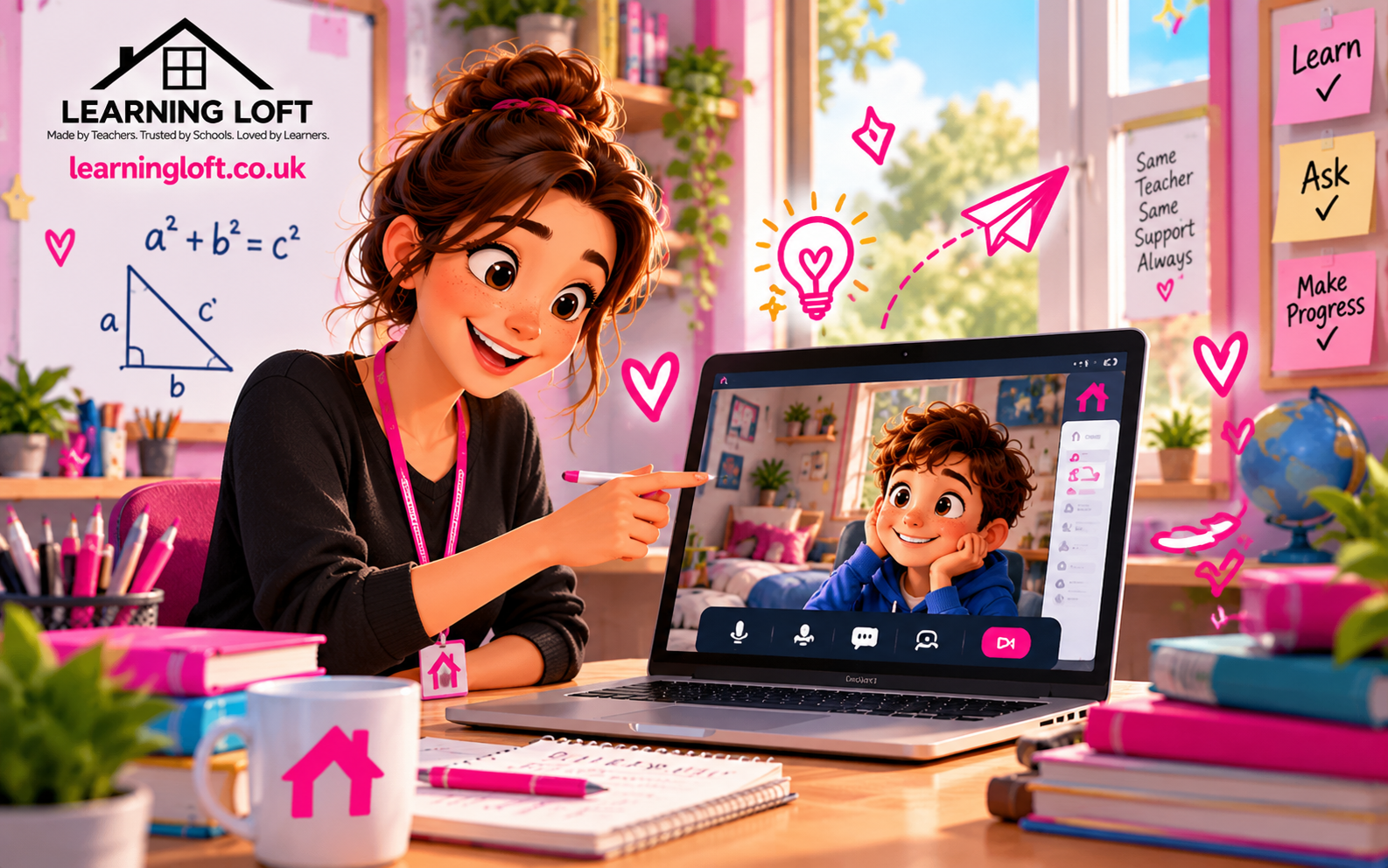
That’s where LoftClass, our interactive virtual classroom, comes in.
Teachers can use a shared whiteboard to model an explanation, present documents and resources, communicate with pupils and work through learning together.
And because LoftClass is browser-based, pupils don’t need to install separate classroom software to access their lesson.
Imagine that Year 8 pupil again.
Instead of simply receiving a worksheet, they could join an agreed, appropriately supervised session with their teacher.
They could see a mathematical method being modelled.
Ask questions.
Work through an example together.
And leave knowing what they need to practise next.
That is the difference between simply providing work and supporting learning.
Of course, LoftClass isn’t a solution to school absence itself. Schools still need appropriate attendance, safeguarding and reintegration arrangements.
But it can be one useful tool when remote teaching is genuinely appropriate.
❤️ Don’t underestimate the importance of belonging
Here’s something we don’t talk about enough.
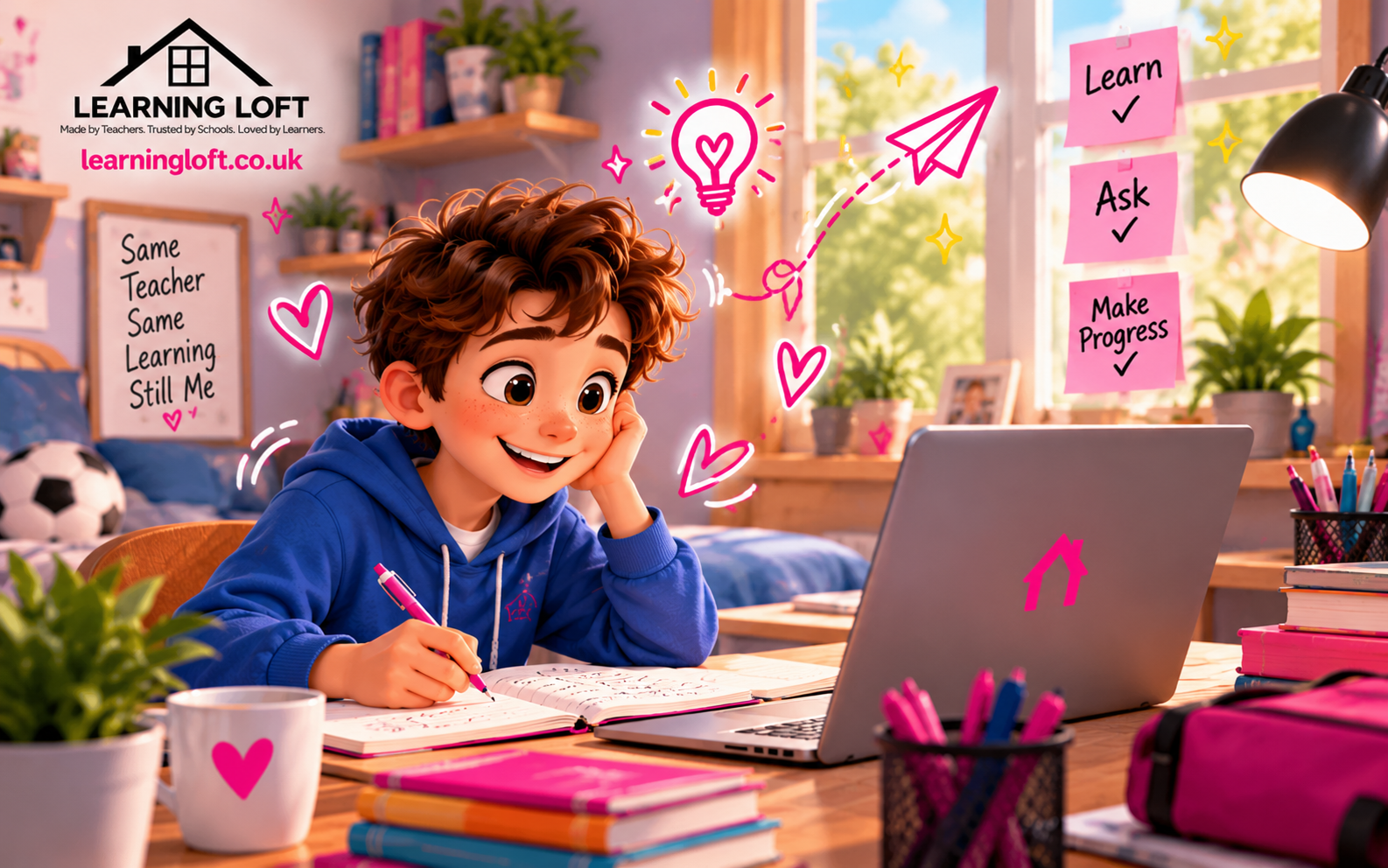
When children are absent for extended periods, they don’t just miss lessons.
They miss people.
Their friends.
Their teachers.
Their routines.
The little conversations that happen throughout the school day.
And returning after a long absence can feel daunting.
This is why I think maintaining contact matters so much.
A short conversation with a familiar teacher can provide reassurance.
A carefully planned learning session can help a pupil feel they’re still making progress.
And keeping that relationship going may make returning to school feel a little less overwhelming.
We need to remember that education is about more than completing tasks.
Children need to feel that they still belong.
🚀 Five things I’d encourage schools to consider
If I were reviewing remote education provision in a school, these would be my starting points.
1. Start with the pupil, not the technology
Why are they absent? Are they well enough to learn? What support do they actually need?
Not every pupil will benefit from the same approach.
2. Prioritise the learning that matters
Don’t overwhelm pupils with every worksheet they’ve missed.
Identify the important knowledge and skills they need to keep developing.
3. Make room for real teaching
Where appropriate, use short live sessions, recorded explanations or targeted feedback.
Children need opportunities to understand, not just complete.
4. Keep safeguarding at the centre
Any live online provision needs clear school-approved arrangements for access, supervision, communication and reporting concerns.
5. Plan for their return
Remote education should be a bridge back to school wherever possible.
Think about learning gaps, relationships, reasonable adjustments and the support pupils may need when they return.
❓ Frequently Asked Questions
Can schools provide online lessons for absent pupils?
Yes, where remote education is appropriate. Schools should consider the pupil’s individual circumstances, ability to learn and the relevant DfE guidance. Remote provision should not routinely replace school attendance.
Do pupils need to follow their full school timetable online?
Not necessarily. The amount and type of learning should reflect the pupil’s needs, health and circumstances. Short, purposeful teaching sessions may be more suitable than spending an entire school day online.
Can online lessons help pupils with SEND?
They can, where appropriate, but provision must be considered individually. Schools should assess accessibility, necessary adjustments and whether remote learning genuinely meets the pupil’s needs.
What is LoftClass?
LoftClass is Learning Loft’s interactive virtual classroom. It allows teachers and pupils to work together through live teaching, shared whiteboards, resources and online communication.
🌟 My final thought: No child should feel forgotten
I don’t believe technology can replace everything that happens inside a school.
And I wouldn’t want it to.
The classroom is where children develop relationships, confidence, independence and a sense of belonging.
But when a child genuinely cannot be there, we should think carefully about how we maintain those connections.
Sometimes that might mean providing carefully selected resources.
Sometimes it might mean a recorded explanation.
And sometimes it might mean a short, interactive session with a teacher who knows exactly what that child needs.
At Learning Loft, that’s what drives us.
Technology shouldn’t replace teachers. It should give great teachers more ways to reach the children who need them.
Because being absent from school shouldn’t automatically mean being disconnected from learning.
Amy Rose
Director, Learning Loft
Related: LoftClass